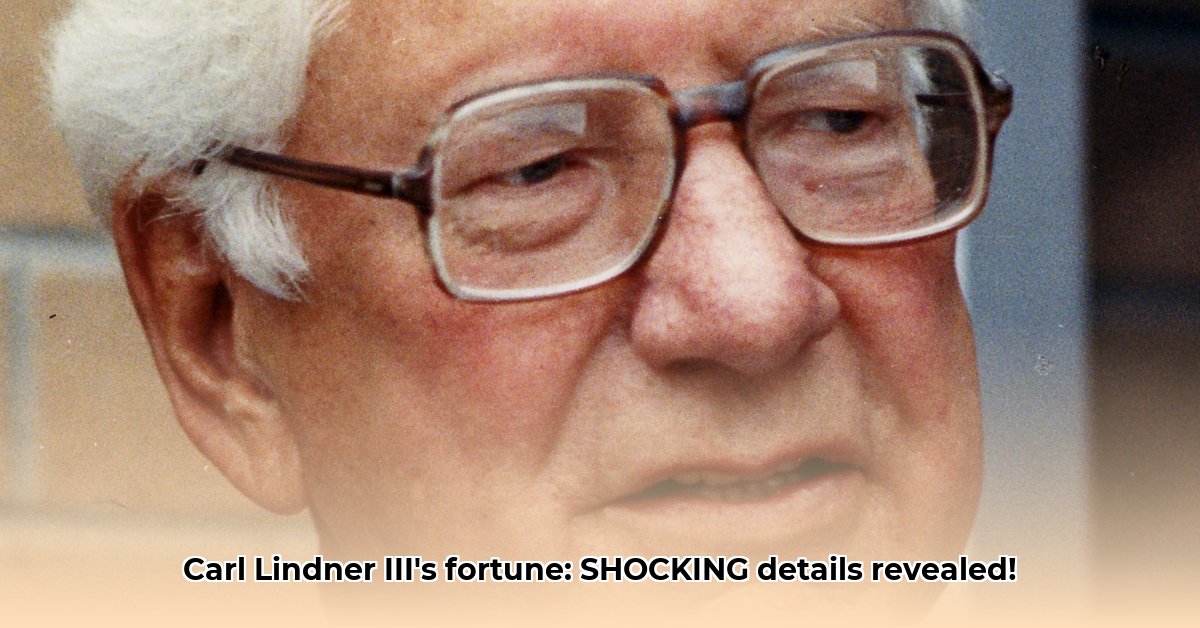
Carl Lindner III Net Worth: A Complex Calculation
Determining the precise net worth of Carl Lindner III, chairman and CEO of American Financial Group (AFG), presents a significant challenge. A substantial portion of his wealth is inextricably linked to his ownership stake in AFG. While estimates exist, pinning down a definitive figure is difficult due to the inherent volatility of the stock market and the lack of complete transparency regarding his personal holdings. For instance, in May 2021, his AFG shares were valued at approximately $489 million; however, this represents a single point in time and does not account for subsequent fluctuations in the market or other assets he may hold. How might these fluctuating values impact calculations of his overall net worth? For further context on high-net-worth individuals, see this resource on high net worth individuals.
The Significance of Recent Stock Sales
A notable aspect of Lindner's financial activities involves recent sales of AFG stock. Public records indicate significant divestment over the past year and a half, without corresponding public information reflecting purchases. This lack of offsetting purchases is unusual and prompts several interpretations. One possibility is a strategic diversification of his investment portfolio, shifting assets into different investment vehicles. Tax optimization strategies could also explain these divestitures. However, it is also possible that this activity reflects concerns about AFG's future performance. What additional information would be needed to fully clarify the motivation behind these sales?
Data Inconsistencies and Interpretational Challenges
Adding to the complexity of assessing Lindner's net worth is the inconsistency of information available from various public sources. Some sources confirm his substantial AFG holdings, while others provide less precise figures, creating significant gaps in the data. This lack of comprehensive information makes any precise calculation inherently speculative. What methodologies could be employed to reconcile these conflicting data points and produce a more accurate estimate?
Potential Scenarios and Their Implications
Several interpretations of Lindner's recent stock sales are possible:
- Tax Planning: Stock sales can be strategically employed to manage tax liabilities, and this may be a primary factor in Lindner's actions.
- Portfolio Diversification: High-net-worth individuals commonly diversify their assets across various sectors to mitigate risk. This reallocation of assets could be the driver behind stock sales.
- Concerns Regarding AFG's Future: The sales might reflect a cautious outlook on AFG's future performance, though this is speculation without further supporting evidence.
- Personal Financial Needs: Personal financial considerations unrelated to AFG's performance could also influence such decisions.
The lack of detailed information necessitates considering all these possibilities, illustrating the challenges involved in determining the net worth of an individual heavily invested in a single publicly-traded company. How likely is each potential scenario, and what data would be needed to determine which is most probable?
Impact on Investors and Market Sentiment
Lindner's actions have implications for all AFG investors. This activity underscores the importance of due diligence and portfolio diversification for individual investors. It serves as a reminder to regularly review investment holdings and adjust them as needed. Institutional investors, too, are likely closely monitoring this situation, potentially impacting their investment strategies in AFG and influencing market perception of the company. How could investors mitigate the risks associated with Lindner's stock sales?
Path Forward: The Need for Transparency
A more complete understanding of Lindner's net worth and the rationale behind his stock sales requires additional data. Examining SEC filings, following reputable financial news sources, and actively seeking clarity from AFG would contribute significantly to a clearer picture. Greater transparency from AFG would undoubtedly benefit all its shareholders. What regulatory bodies might have oversight in this matter, and how could they contribute to greater transparency?
Risk Assessment for AFG Investors
The following table summarizes potential risks for AFG investors, acknowledging the dynamic nature of these factors:
| Risk Factor | Likelihood | Impact | Mitigation Strategy |
|---|---|---|---|
| AFG Stock Price Decline | Moderate | High | Diversify investments; set stop-loss orders; conduct thorough research |
| Misinterpretation of Events | Moderate | Moderate | Compare information from multiple sources; seek professional financial advice |
| Lack of Transparency from AFG | Low | Moderate | Monitor news and SEC filings; participate in shareholder engagement |
| Unexpected Economic Slowdown | Low | High | Diversify portfolio; exercise caution with new investments |
Regulatory Considerations
While no illegal activity is currently indicated, the absence of recent stock purchases warrants review within the context of regulatory compliance. All transactions must adhere to the relevant regulations, and any potential discrepancies should be investigated thoroughly. However, based on publicly available information, no immediate regulatory concerns have been identified. What aspects of the regulatory framework should be considered in this evaluation?
Conclusion: The Value of Independent Analysis
Understanding the complexities surrounding Carl Lindner III's net worth and his recent actions necessitates continuous research and careful consideration of available data. This analysis offers a snapshot in time and should not be interpreted as financial advice. Independent research and consultation with financial professionals are strongly recommended before making any investment decisions. What are the limitations of this analysis, and what further data is required to develop a more comprehensive understanding?